


Autumn in the countryside can be difficult to dress for. A cool start may be followed by a surprisingly warm afternoon, while sunshine can quickly give way to wind and rain. Wear too little and you risk feeling cold and uncomfortable; wear one heavy coat all day and you may soon become far too warm.
The answer is not necessarily to choose the thickest clothing available. A flexible layering system lets you add or remove warmth as the weather, your activity level and the time of day change.
It is also the idea behind our Layer Up for Autumn event. Throughout September and October, you can mix and match any three qualifying New Forest products and receive 30% off the RRP—making it easier to build a versatile outfit for the season ahead.
Here is our practical four-layer formula for staying comfortable outdoors this autumn.
1. Begin with a comfortable base layer
The first layer sits directly against your skin, so it should feel comfortable and allow excess heat and moisture to escape.
On milder autumn days, this could simply be a lightweight T-shirt or long-sleeved top. When temperatures begin to fall, choose a slightly warmer base layer without immediately reaching for heavy winter clothing.
The aim is to create a comfortable foundation—not to provide all the warmth at once. If your first layer is already too heavy, every additional garment will make overheating more likely.
2. Add a versatile country shirt
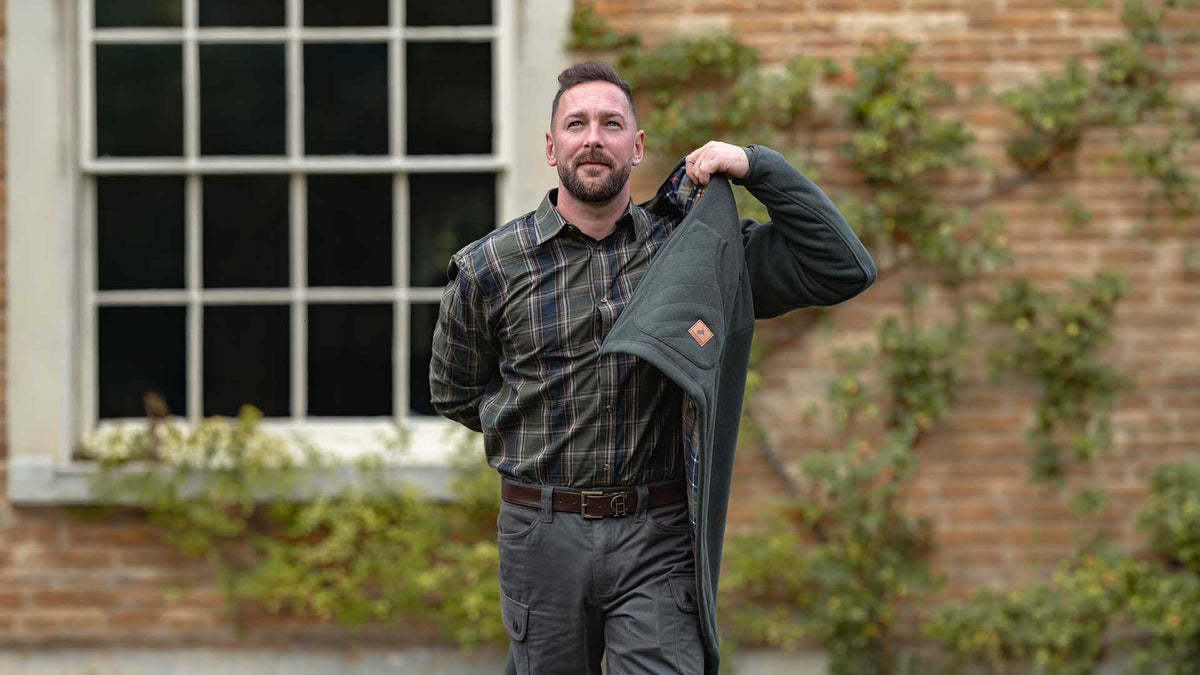
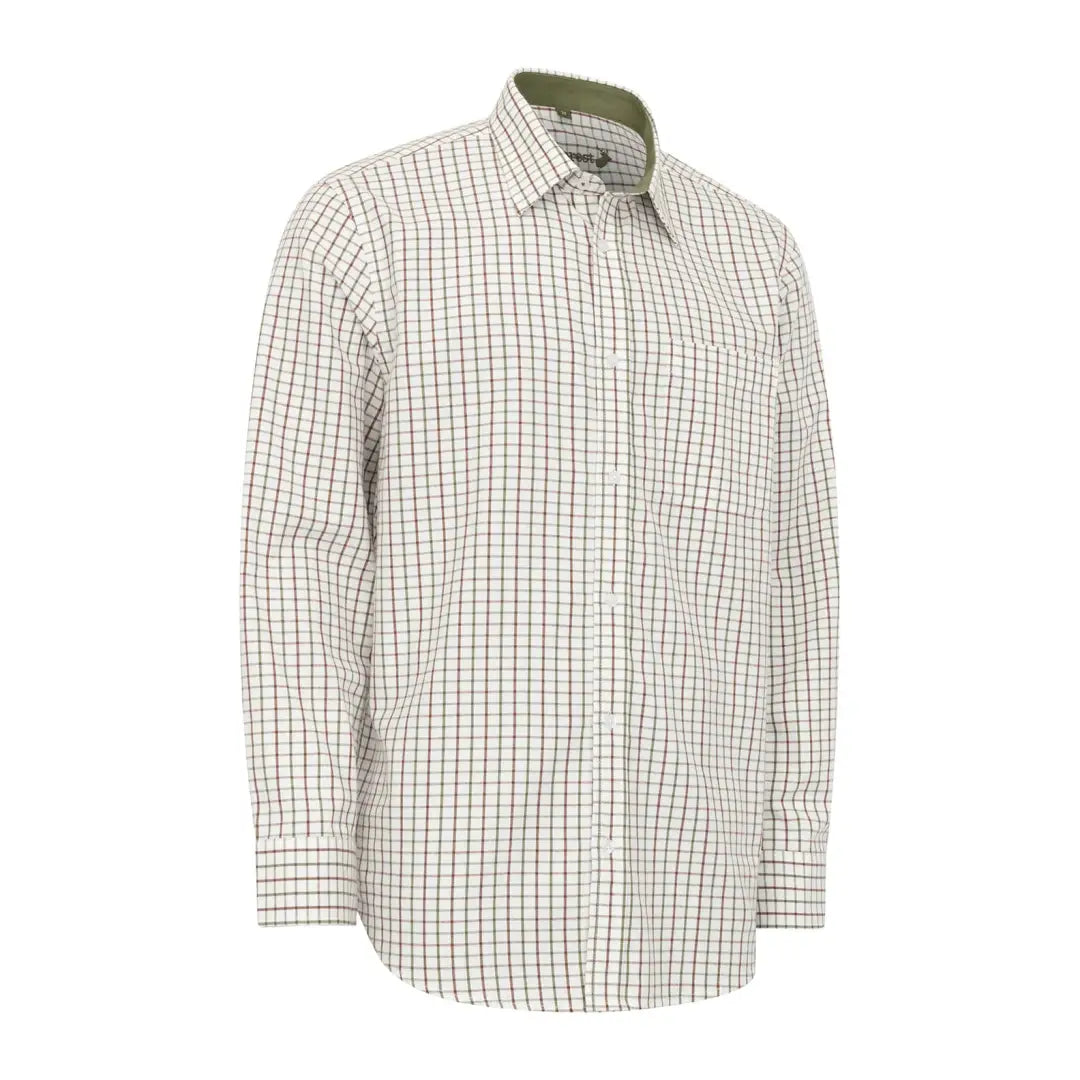
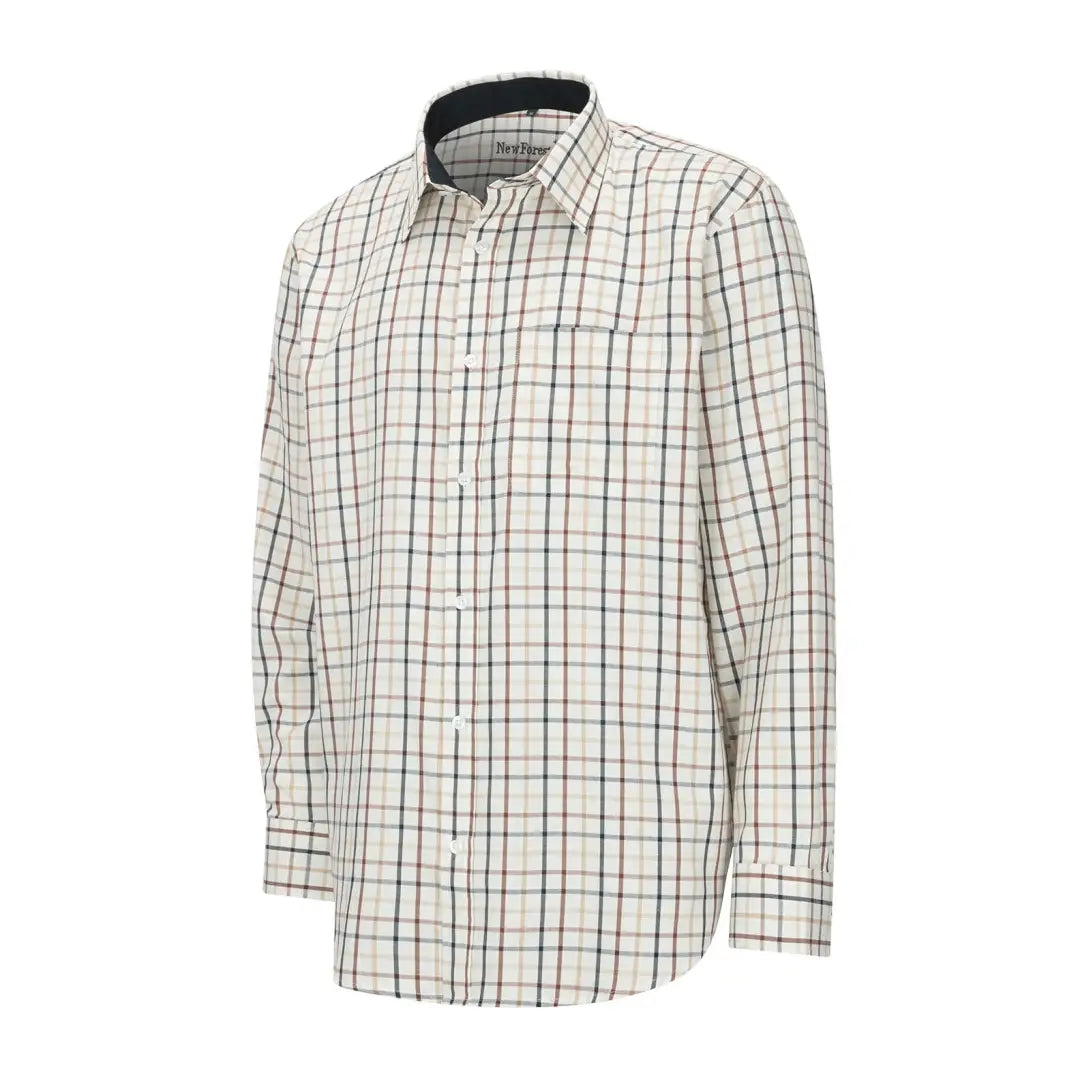
A good country shirt is one of the most useful pieces in an autumn wardrobe. It provides an extra layer of warmth while remaining smart, comfortable and easy to wear on its own when conditions improve.
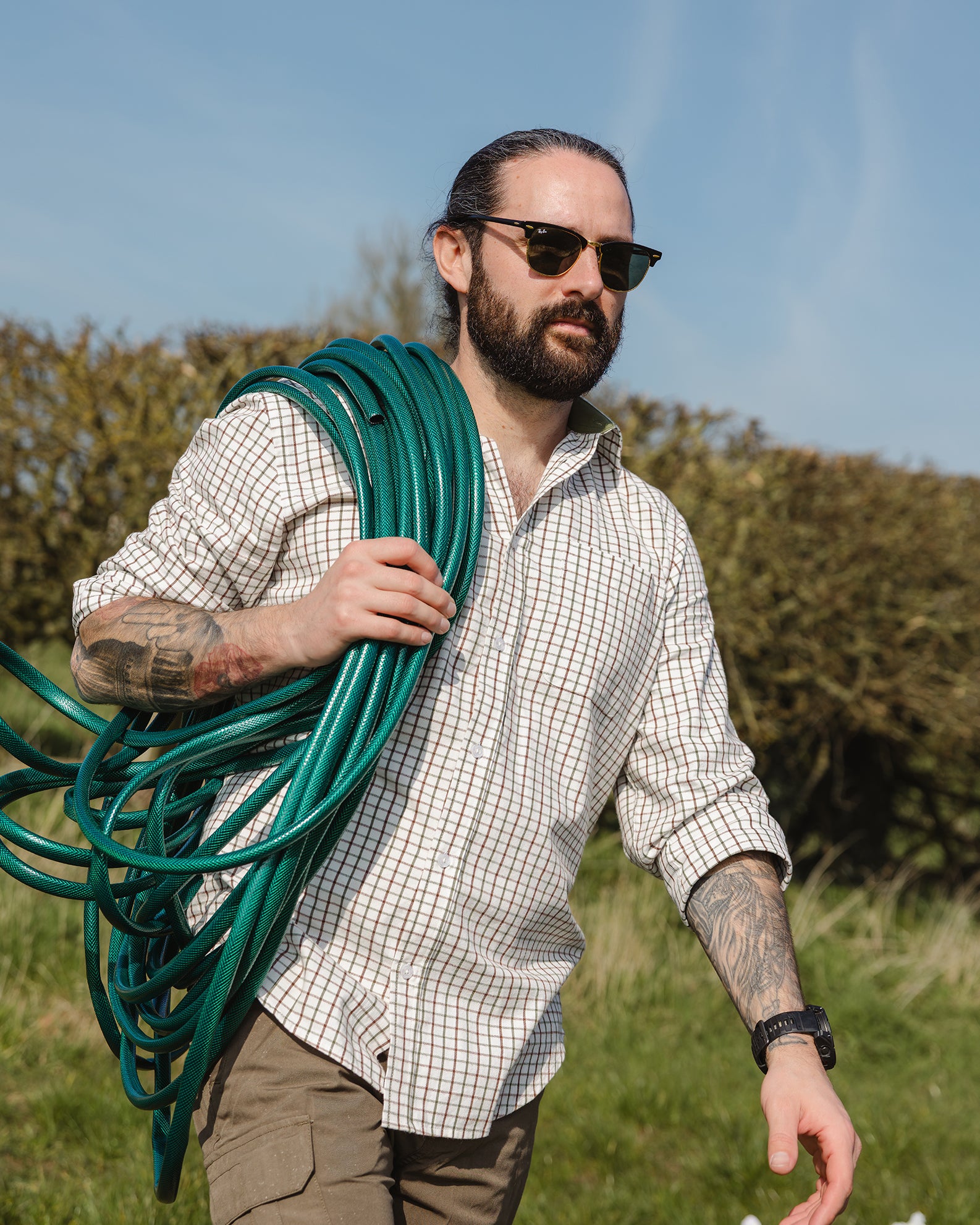
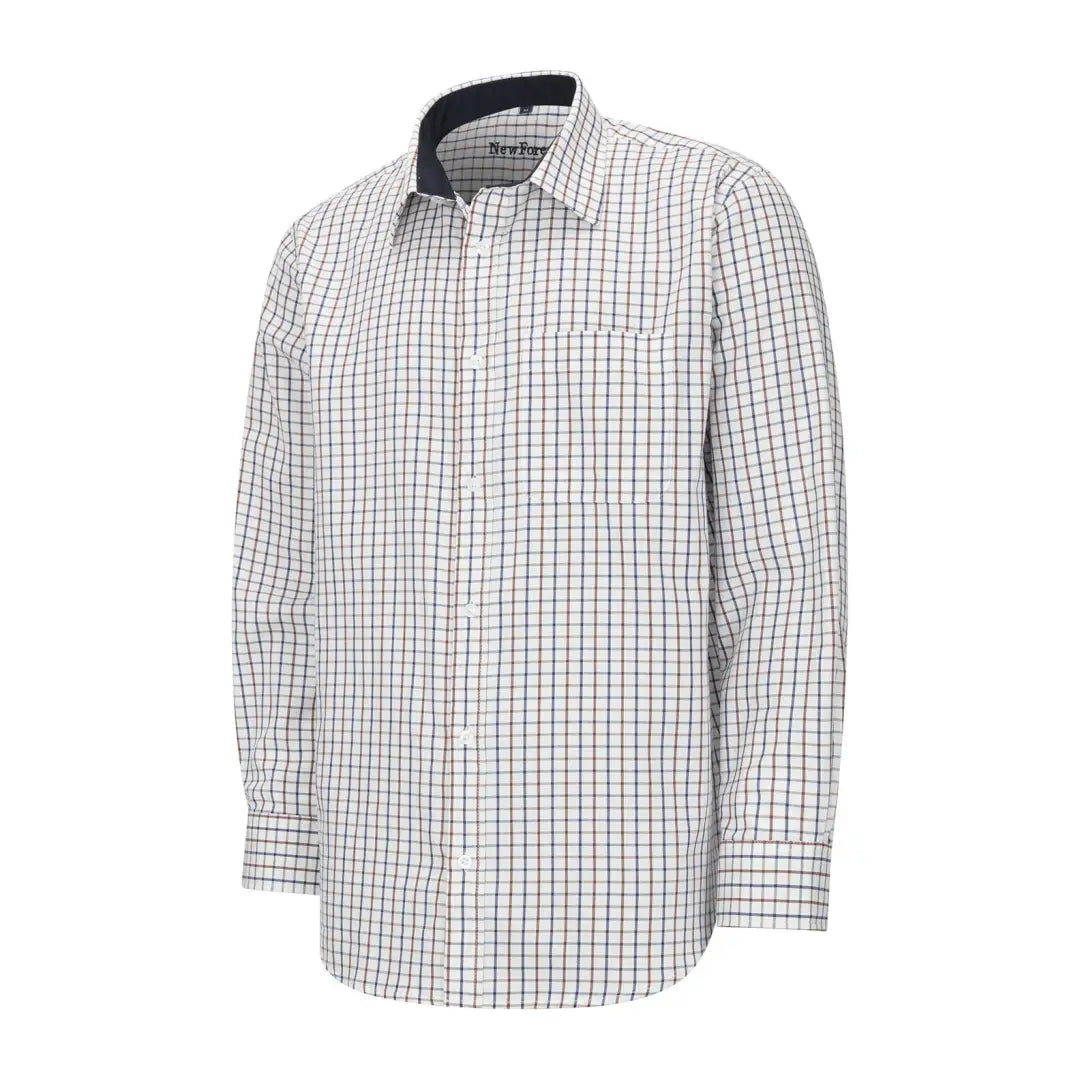
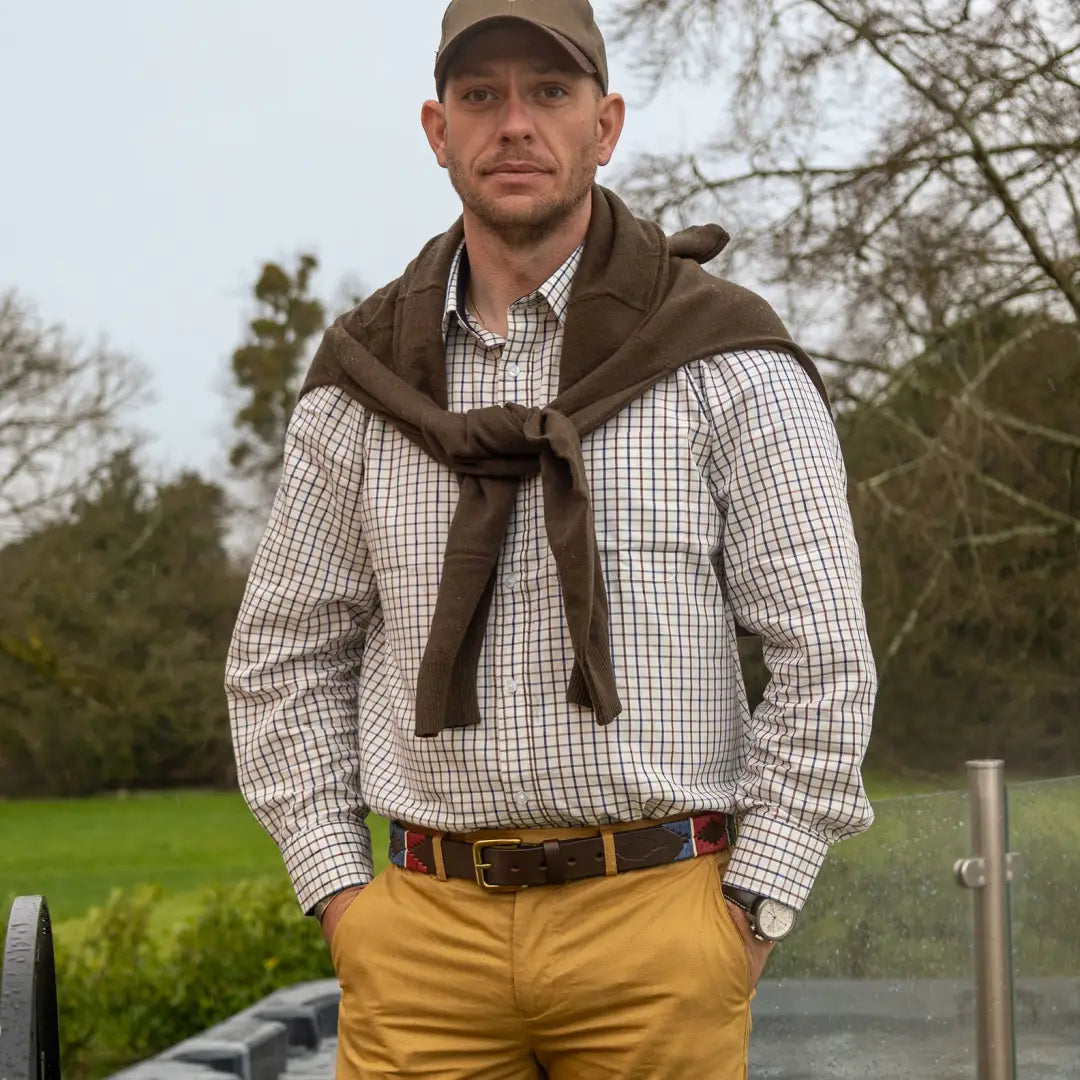
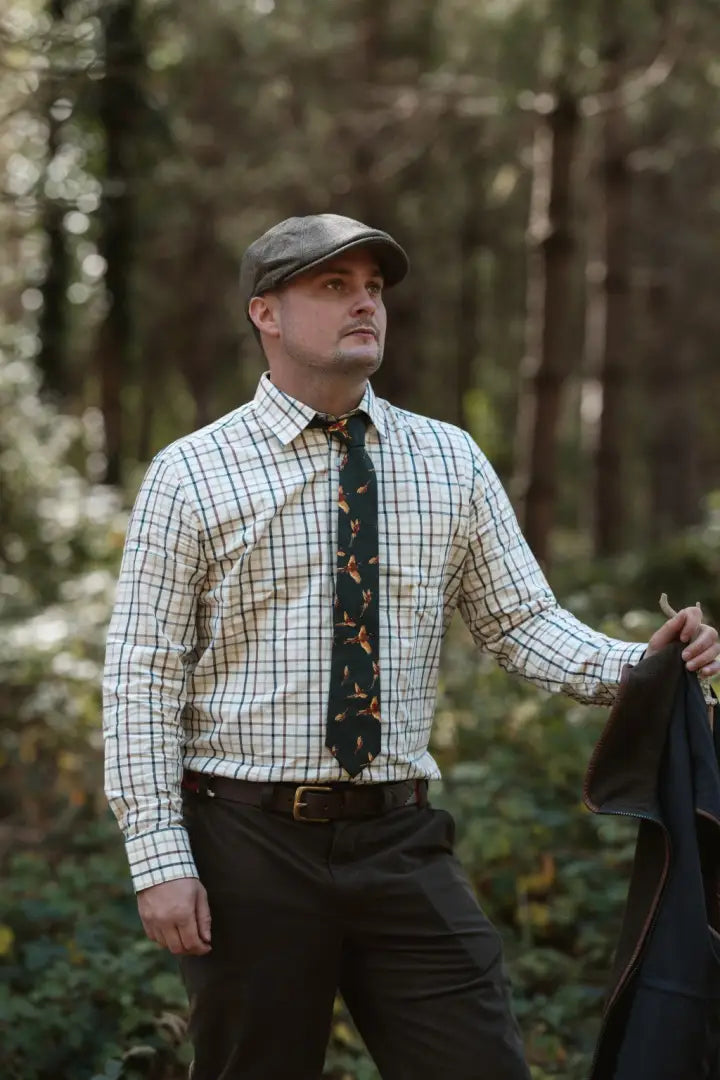
New Forest Premium Tattersall Shirts are an ideal choice for this stage of the layering system. Their traditional country styling works equally well for outdoor activities, days at work and more relaxed occasions.
A Tattersall shirt can be worn over a lightweight base layer, beneath a fleece or gilet, or by itself during a warmer afternoon. Rolling up the sleeves or opening the collar also provides a quick way to release heat without changing your entire outfit.
When choosing a shirt for layering, make sure the fit allows comfortable movement without creating unnecessary bulk beneath your outer layers.
3. Choose an adaptable mid-layer
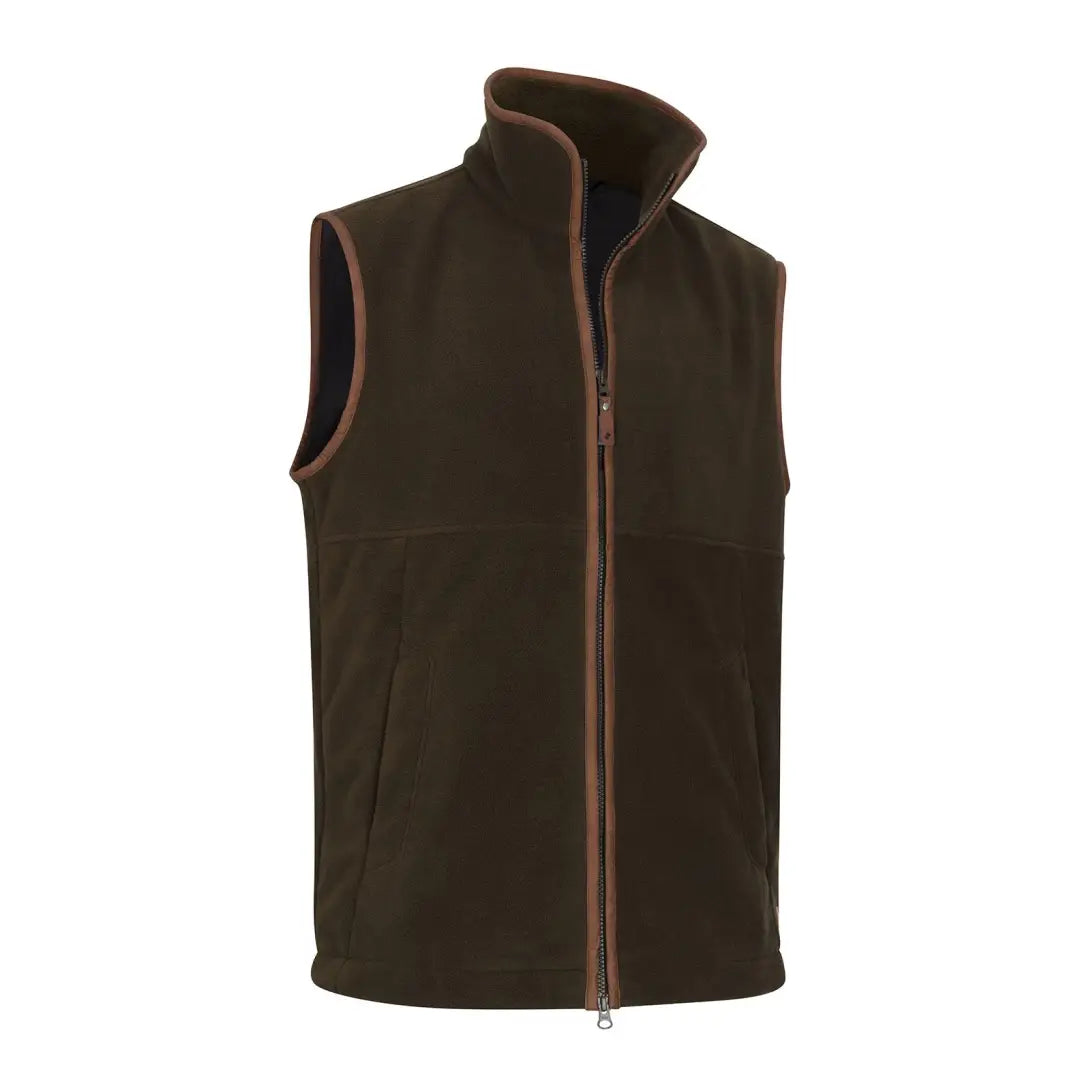
Your mid-layer provides most of the adjustable warmth. Fleeces and gilets are particularly useful because they can be removed, carried and added again as conditions change.
Fleeces
A fleece provides warmth across the body and arms, making it a dependable option for colder mornings, exposed locations and less active periods.
Quarter-zip and full-zip designs offer additional temperature control. Opening the zip when walking uphill or working hard can release heat quickly, while fastening it again helps retain warmth when you stop moving.
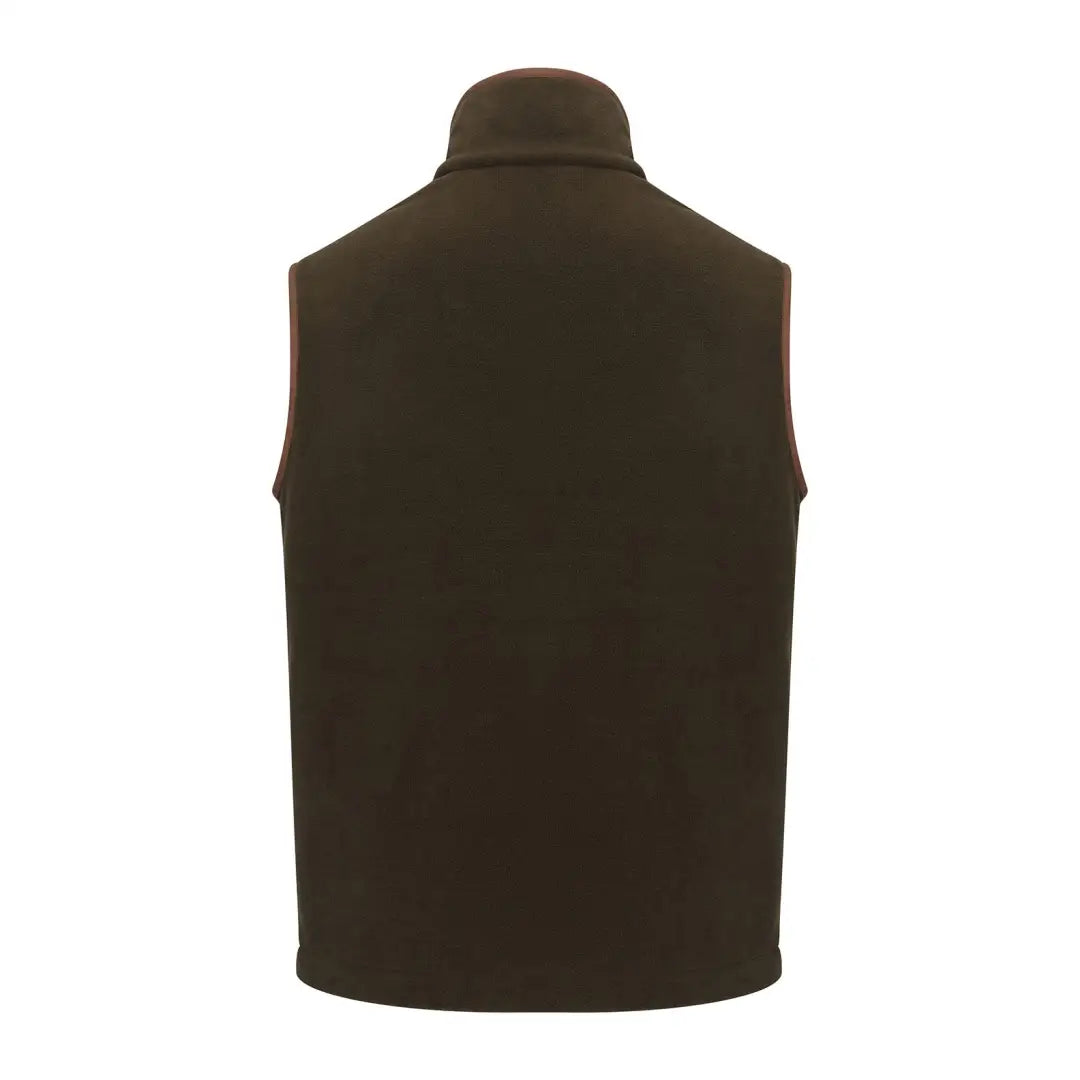
Gilets
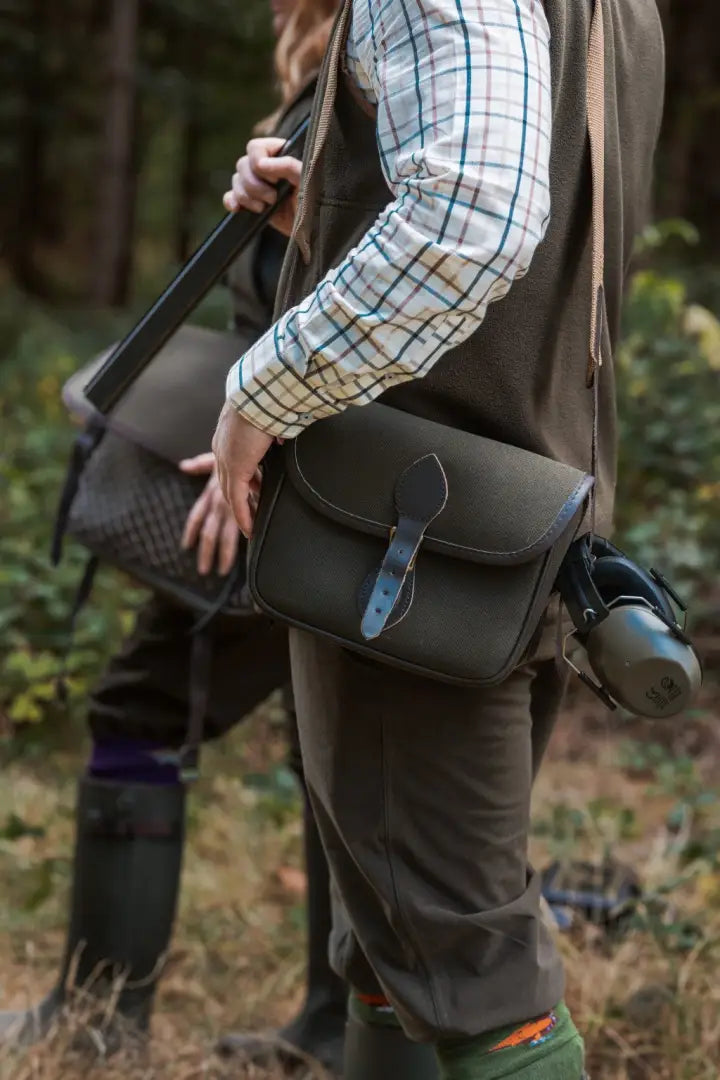
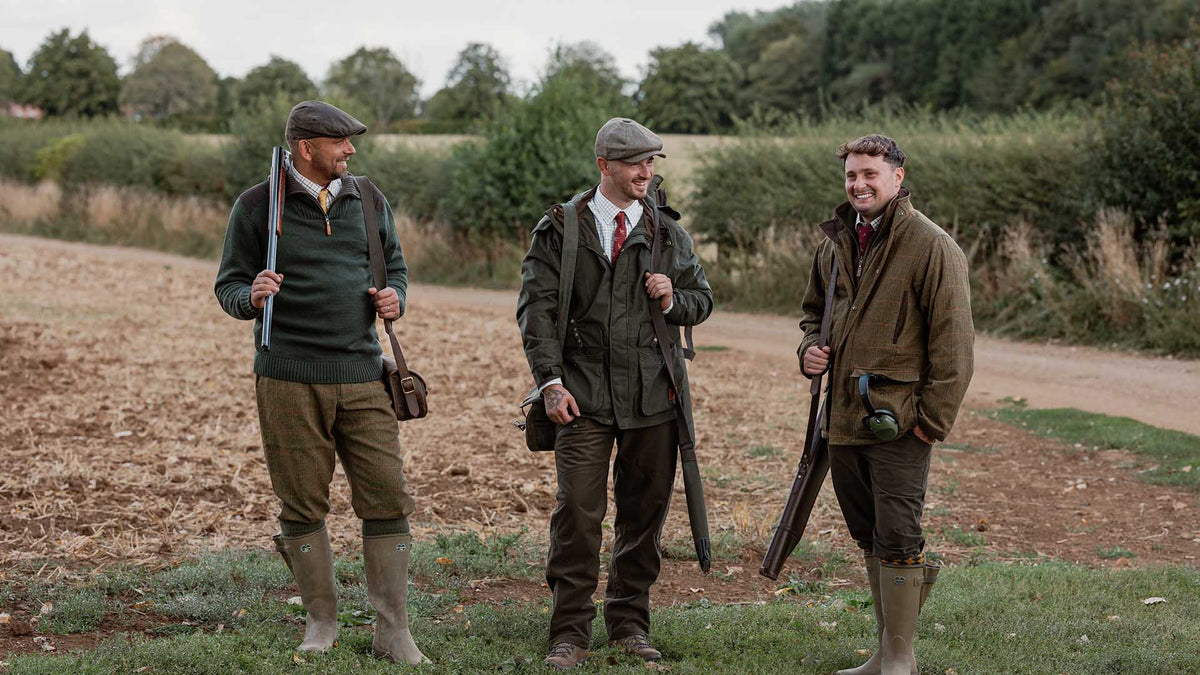
A gilet keeps your core warm while leaving your arms unrestricted. This makes it a strong choice for active outdoor work, dog walking, shooting and other activities where freedom of movement matters.
Gilets are also less likely to feel bulky beneath a jacket. On dry, settled days, a shirt and gilet may be all you need.
The best choice depends on the conditions and your activity. If you naturally run warm or expect to be moving continuously, begin with a gilet. If the temperature is lower or your day includes long periods of standing still, a fleece may be more suitable.
You can always carry the layer you are not wearing rather than putting everything on at the start.
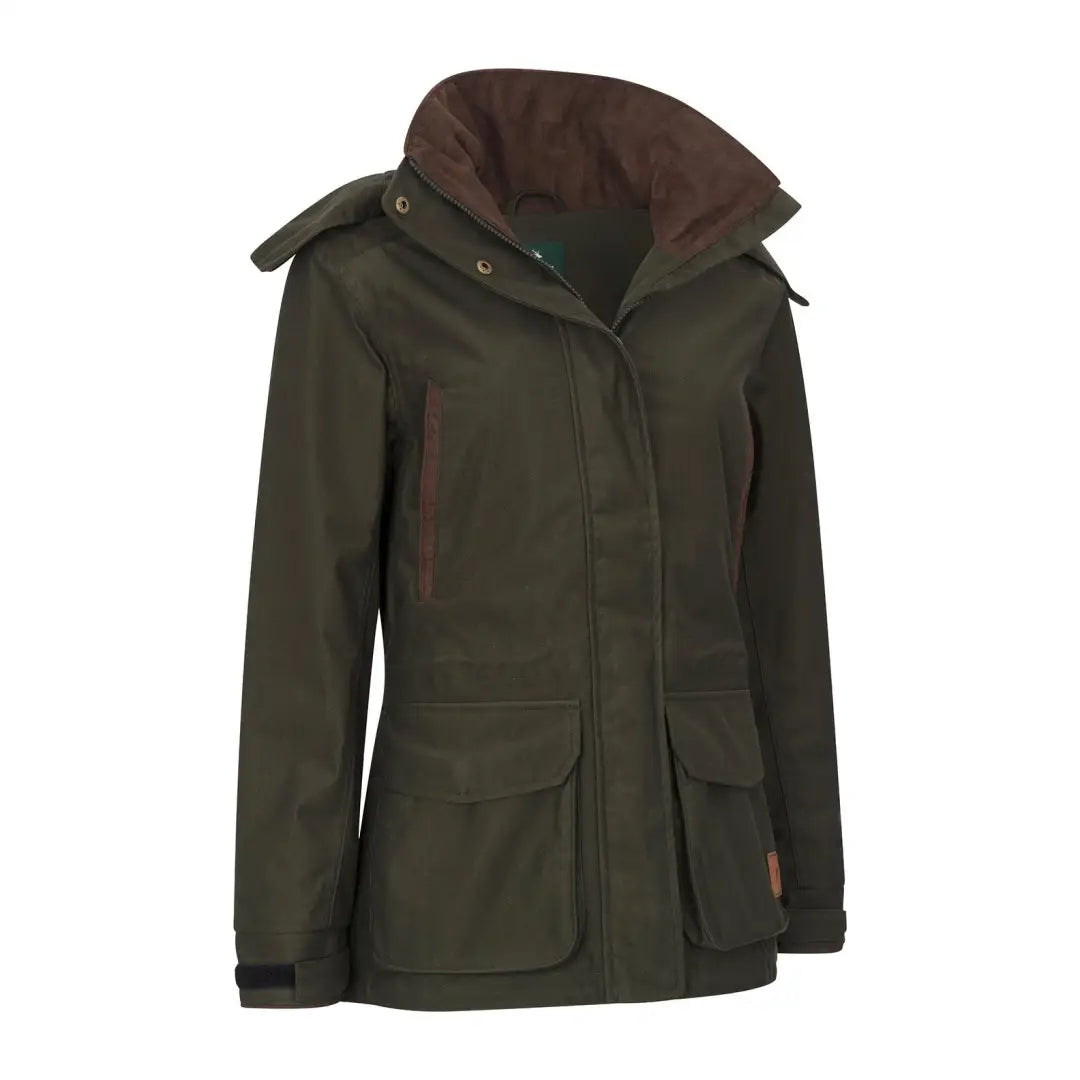
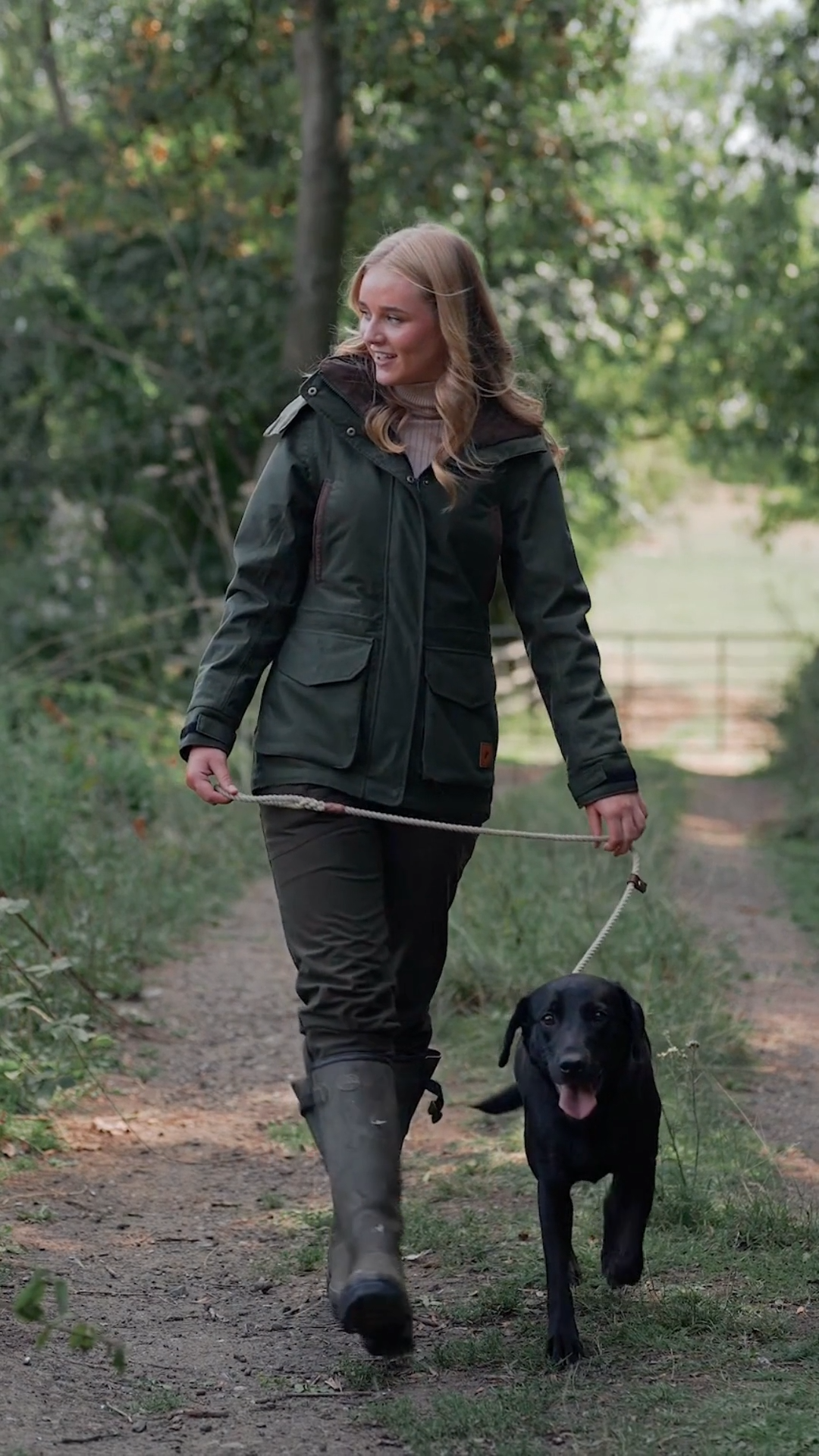
4. Finish with weather protection
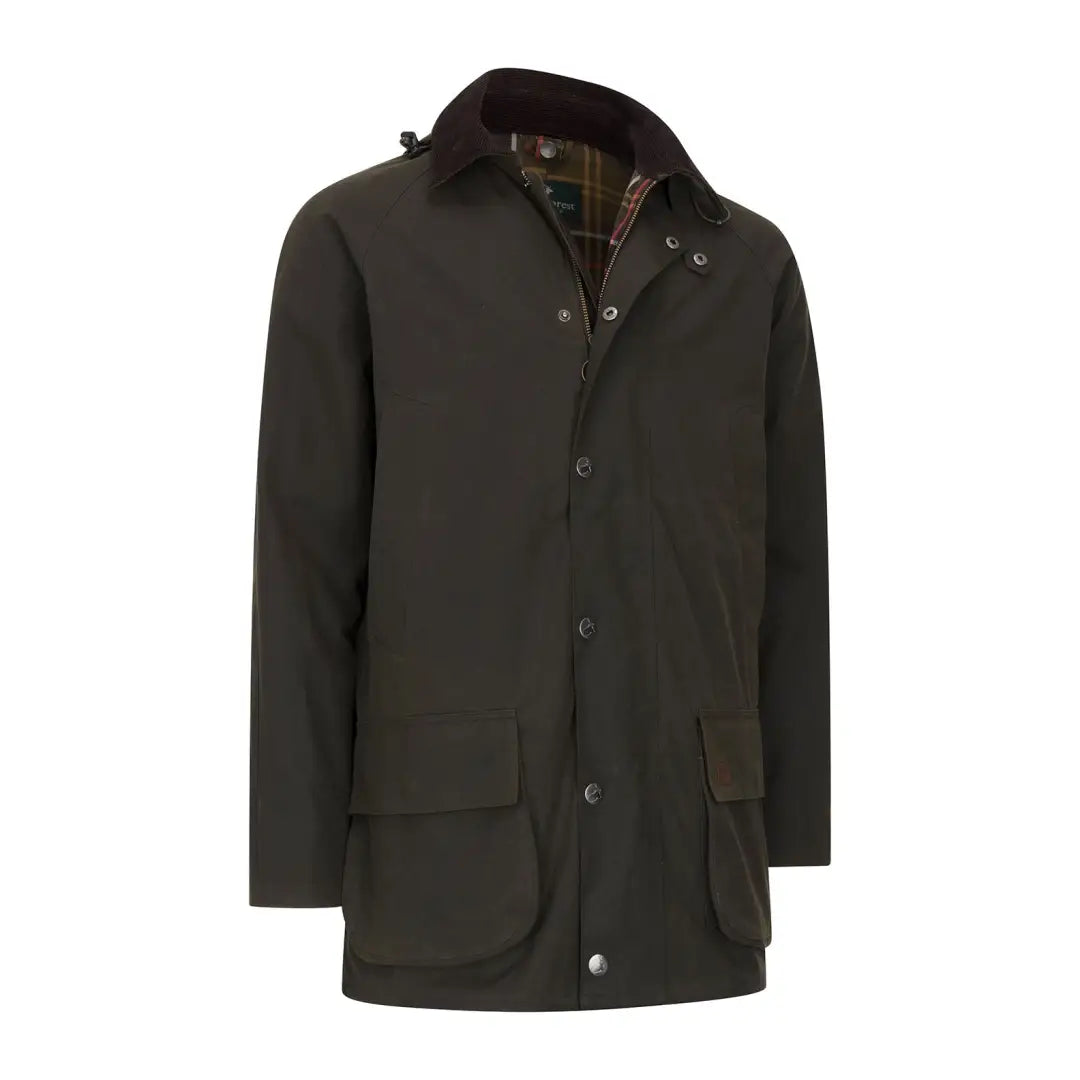
Your outer layer should protect you from the elements without automatically adding excessive insulation.
A lightweight, non-insulated waterproof shell is particularly useful during autumn because it lets you control the warmth underneath. You can combine it with a shirt and fleece on colder days or wear it over much lighter layers when the weather is wet but mild.
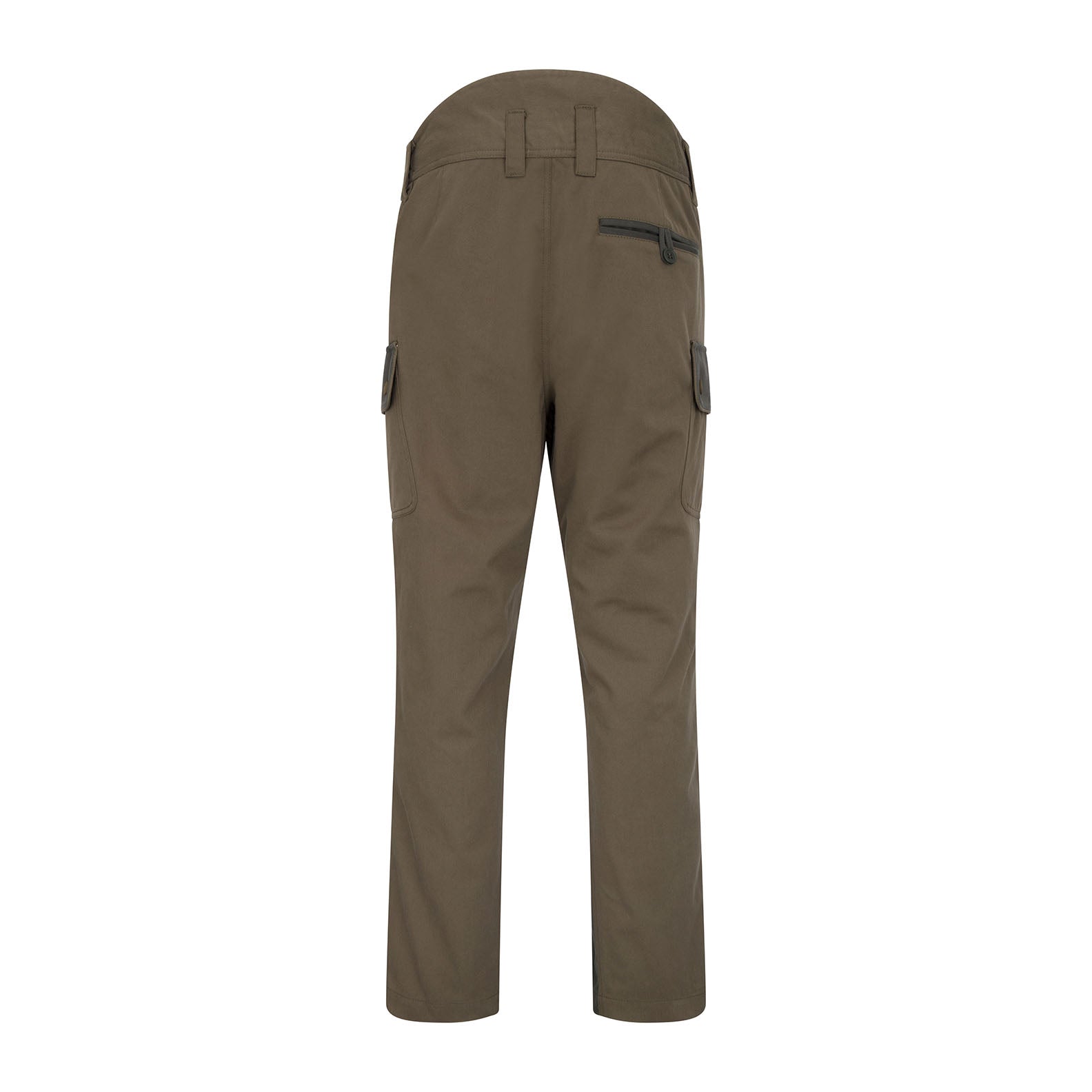
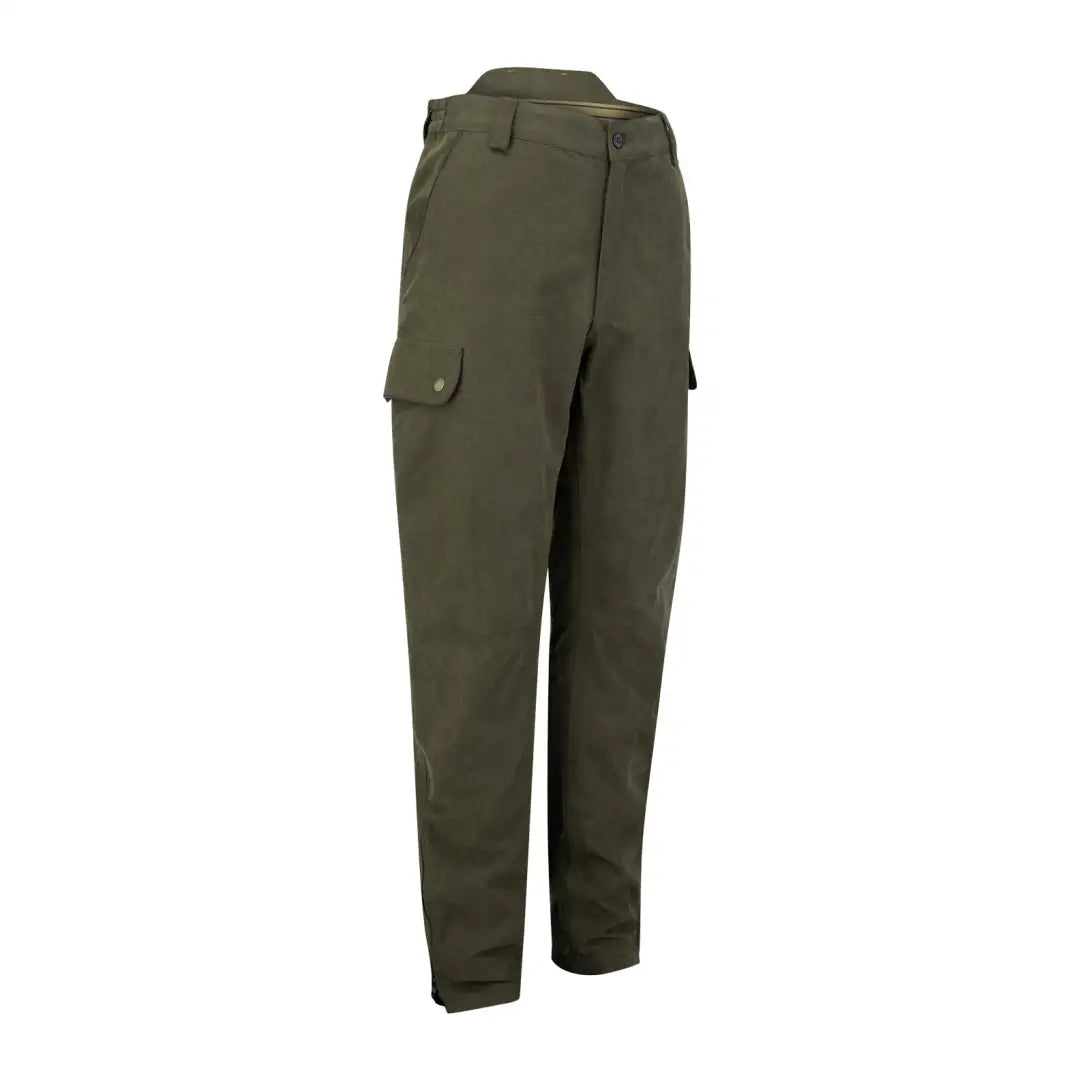
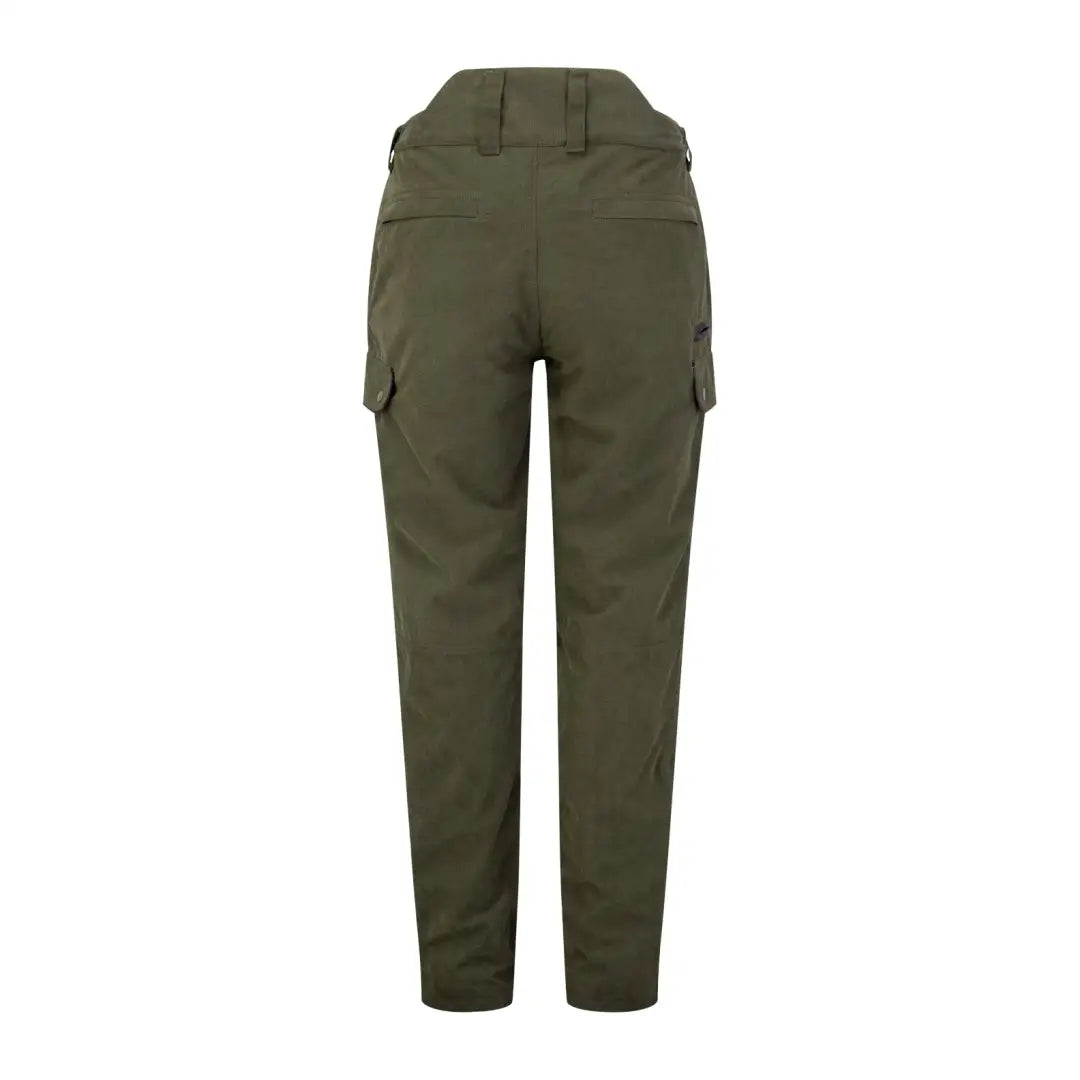
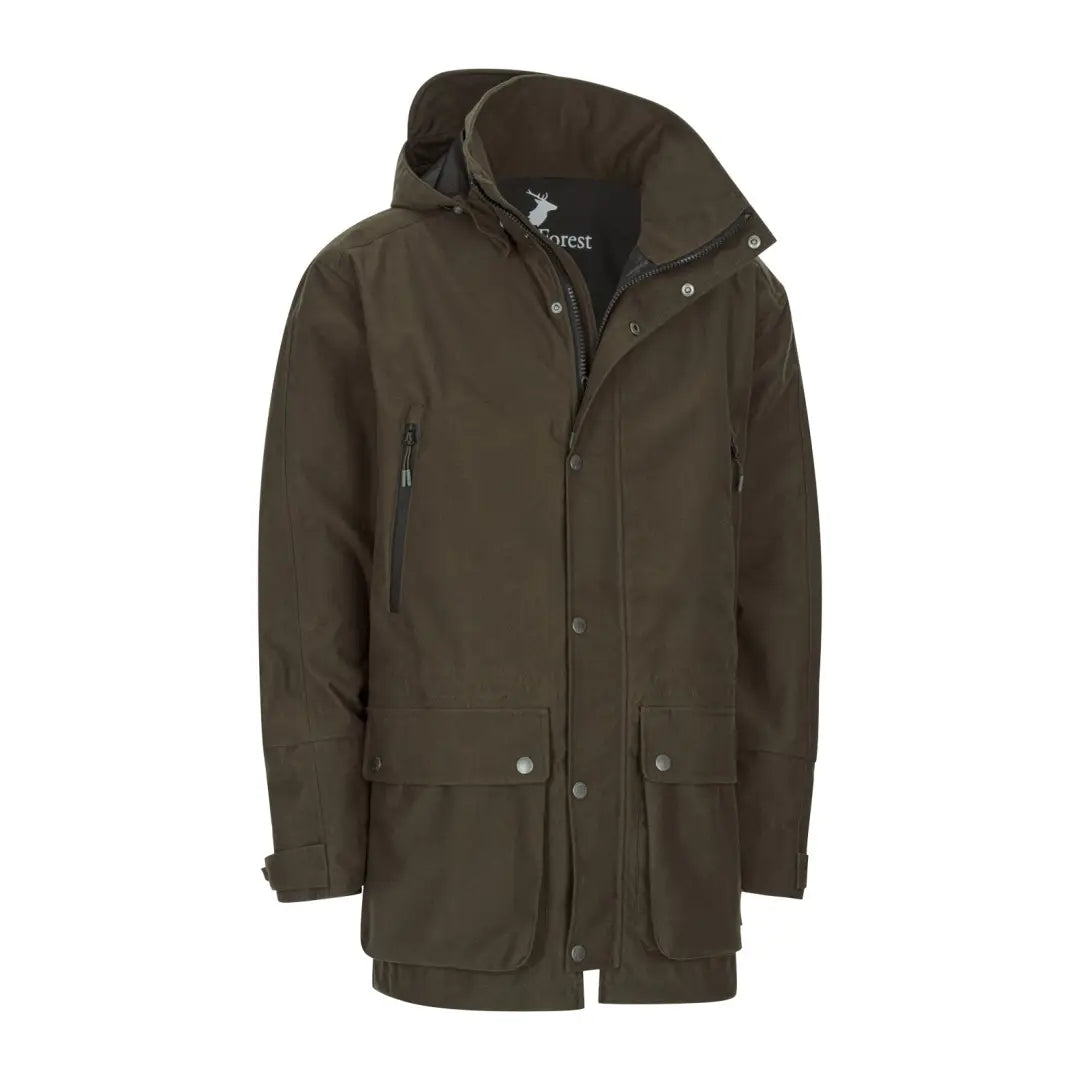
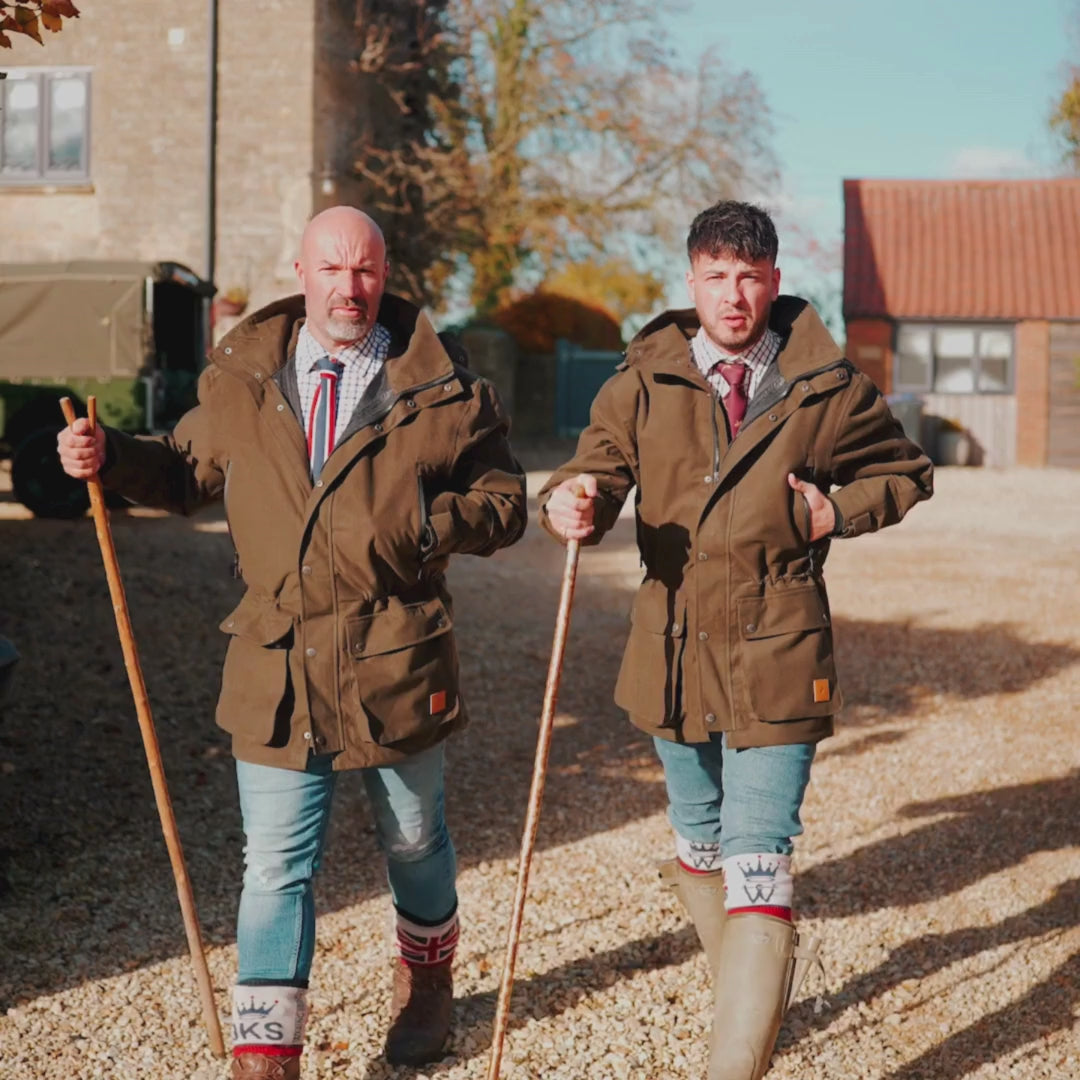
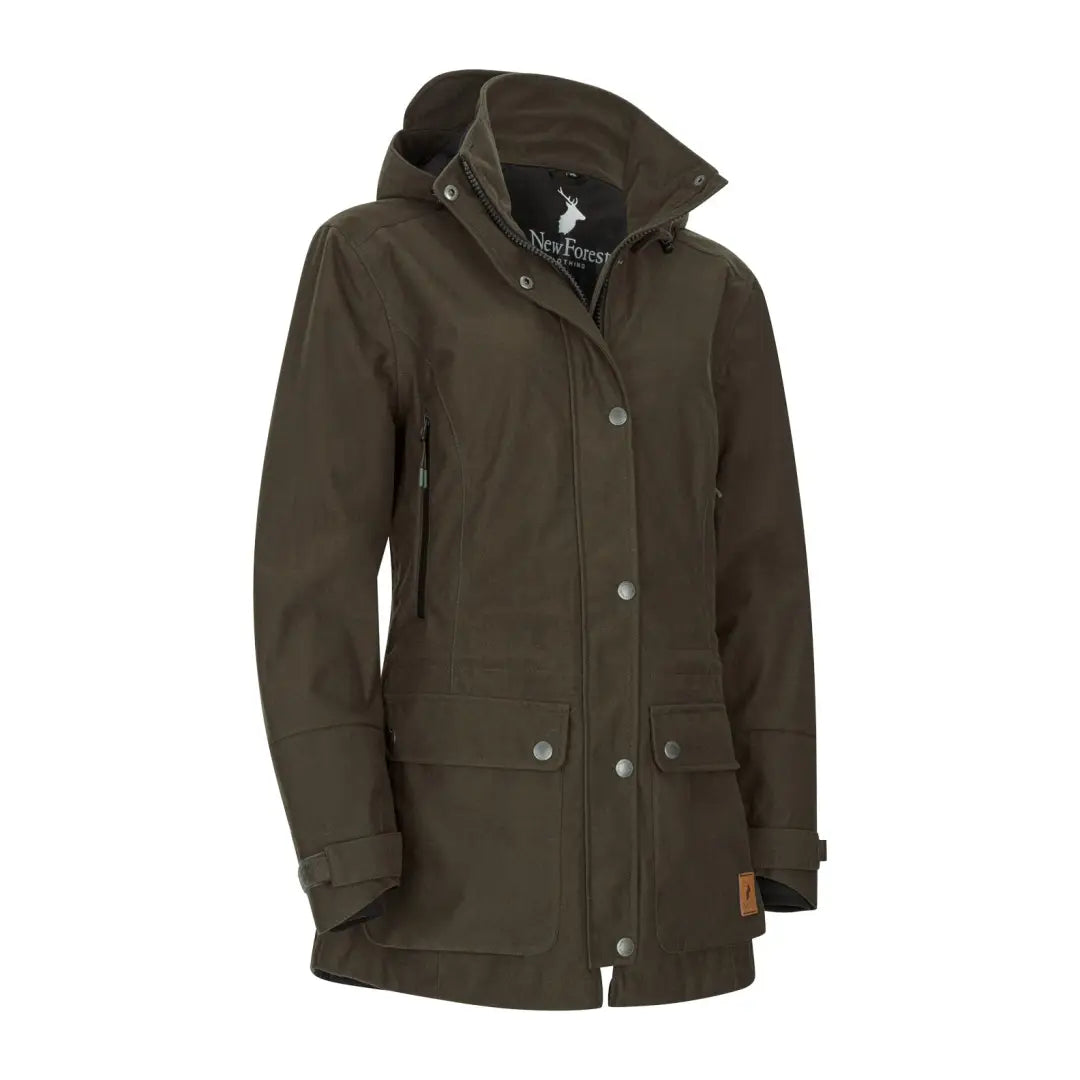
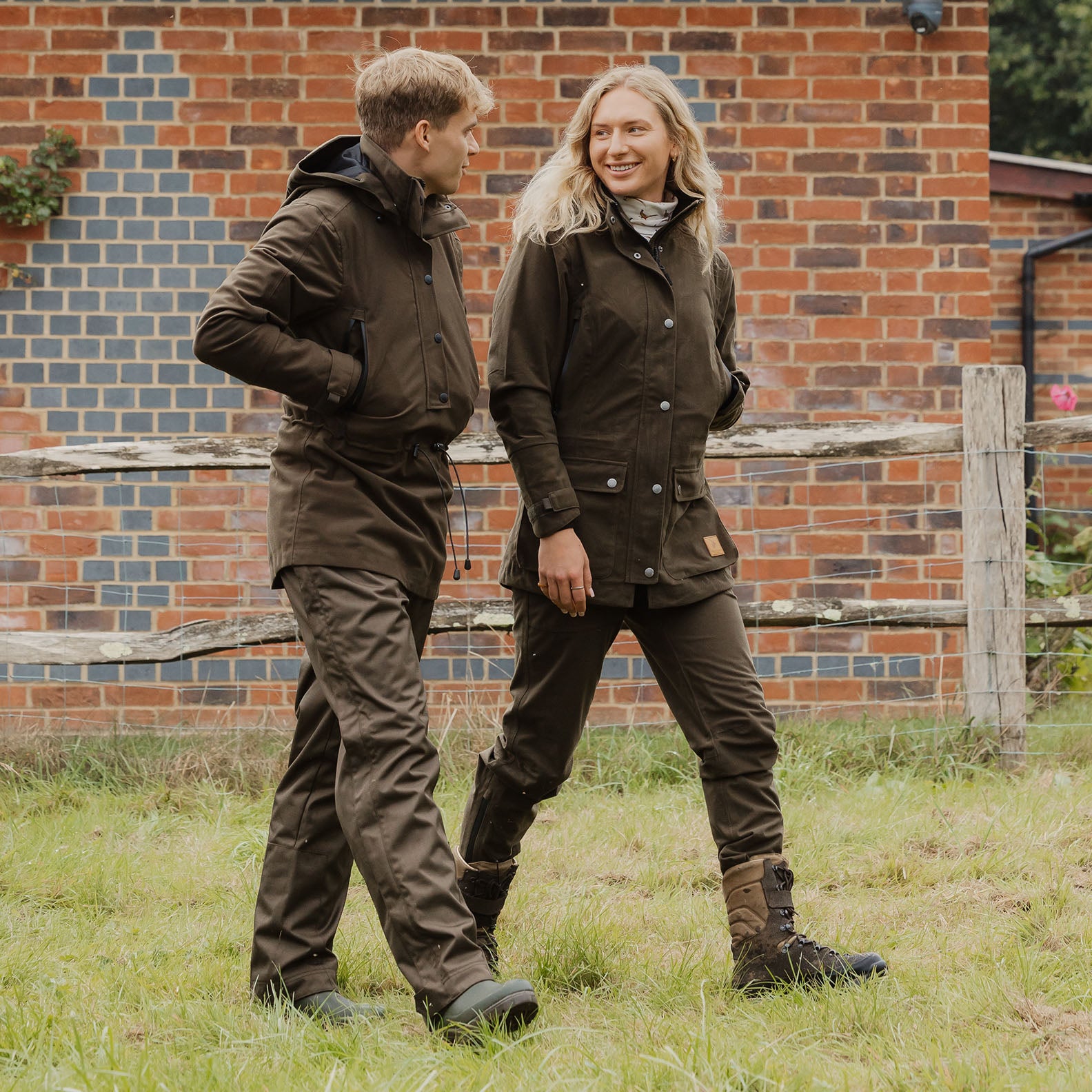
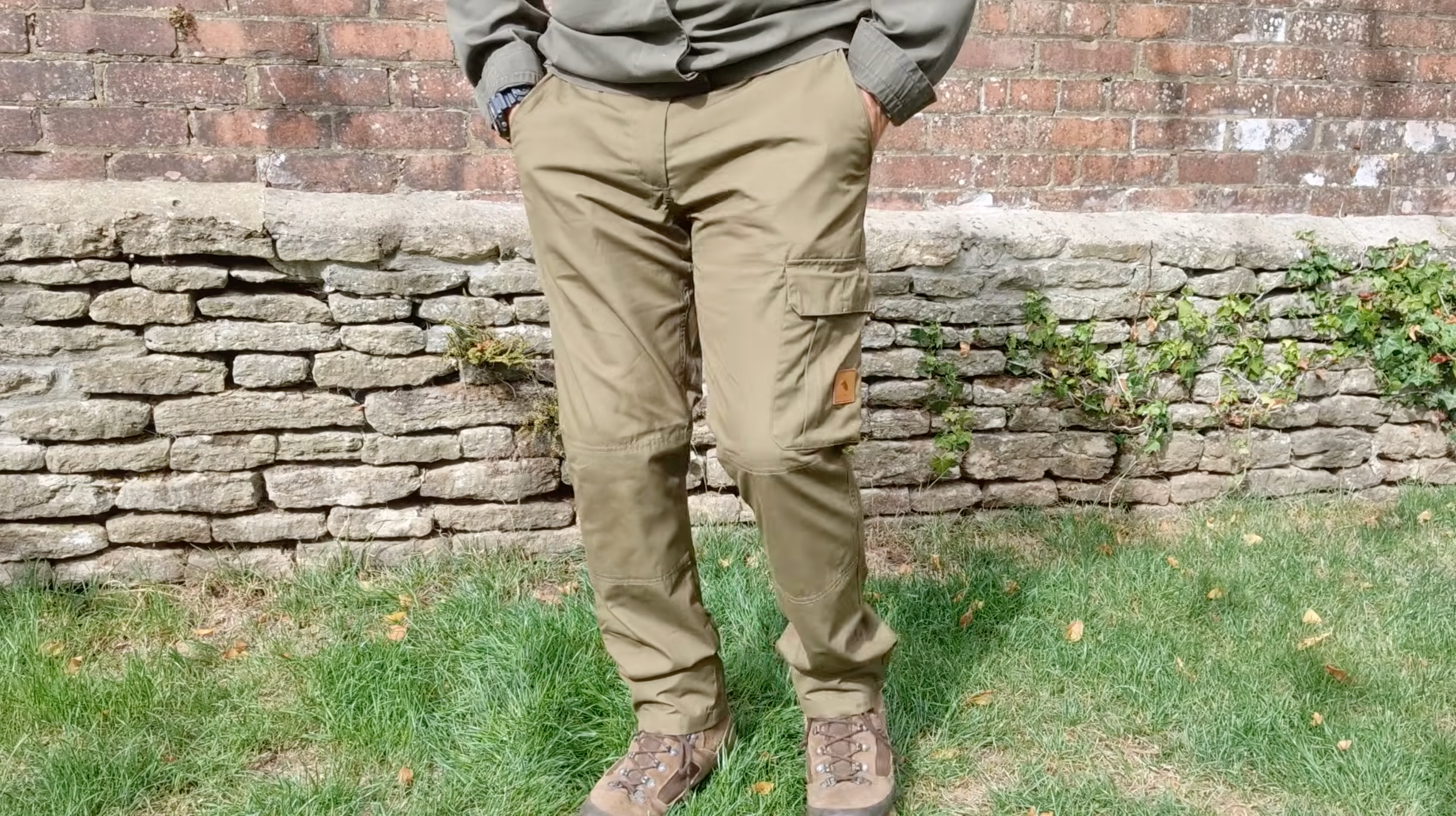
The New Forest Nightjar range is designed with this flexibility in mind. The Nightjar Smock and Trousers provide waterproof, windproof and breathable protection without heavy built-in insulation, allowing you to adjust the clothing underneath according to the temperature and activity.
With a waterproof rating of 10,000mm and breathability of 5,000g/m²/24hrs, the Nightjar range is well suited to wet and windy days outdoors. Its lightweight construction also makes it useful as part of a wider layering system rather than restricting it to the coldest months.
You don’t always need all four layers
The four-layer formula is a flexible guide, not an instruction to wear every item at once.
Your combination might look like:
- Mild and dry: base layer and Tattersall shirt
- Cool and settled: shirt and gilet
- Cold and dry: base layer, shirt and fleece
- Mild but wet: base layer, shirt and waterproof shell
- Cold, wet and windy: base layer, shirt, fleece or gilet and waterproof outer layer
Consider how active you are likely to be. A brisk walk, farm work or gathering firewood generates far more body heat than standing at a country event or waiting on the peg.
Dress for the activity as well as the forecast.
Start slightly cool
One of the simplest ways to avoid overheating is to begin an active day feeling slightly cool rather than perfectly warm.
Once you start walking or working, your body will generate heat. If you already feel very warm before setting off, you are likely to become uncomfortable quickly.
Carry an additional layer in a bag or vehicle and put it on when you stop, the temperature drops or the weather changes.
Make ventilation work for you
Small adjustments can make a significant difference:
- Open the front or neck zip before removing an entire layer
- Roll up shirt sleeves when conditions become warmer
- Remove hats and gloves as your activity level increases
- Use garment ventilation where available
- Avoid keeping a waterproof shell fastened when rain and wind protection are no longer needed
- Remove a layer before you begin to sweat heavily
Responding early is much easier than trying to cool down once you have already overheated.
Avoid unnecessary bulk
Several lighter layers are usually more adaptable than one extremely heavy garment, but too many bulky items can restrict movement and trap excessive heat.
Each layer should have a clear purpose:
- Base layer: next-to-skin comfort
- Country shirt: versatile everyday layer
- Fleece or gilet: adjustable warmth
- Waterproof outer layer: protection from wind and rain
If two garments are performing exactly the same job, you may not need both.
Layer Up for Autumn: Pick Any 3 and Get 30% Off the RRP
Whether you need a complete autumn outfit or simply want to add a few dependable layers to your wardrobe, our new multibuy offer lets you save across nearly everything New Forest.
PICK ANY 3 AND GET 30% OFF THE RRP
Mix and match qualifying products from across the New Forest range, including:
- Coats and jackets
- Country shirts
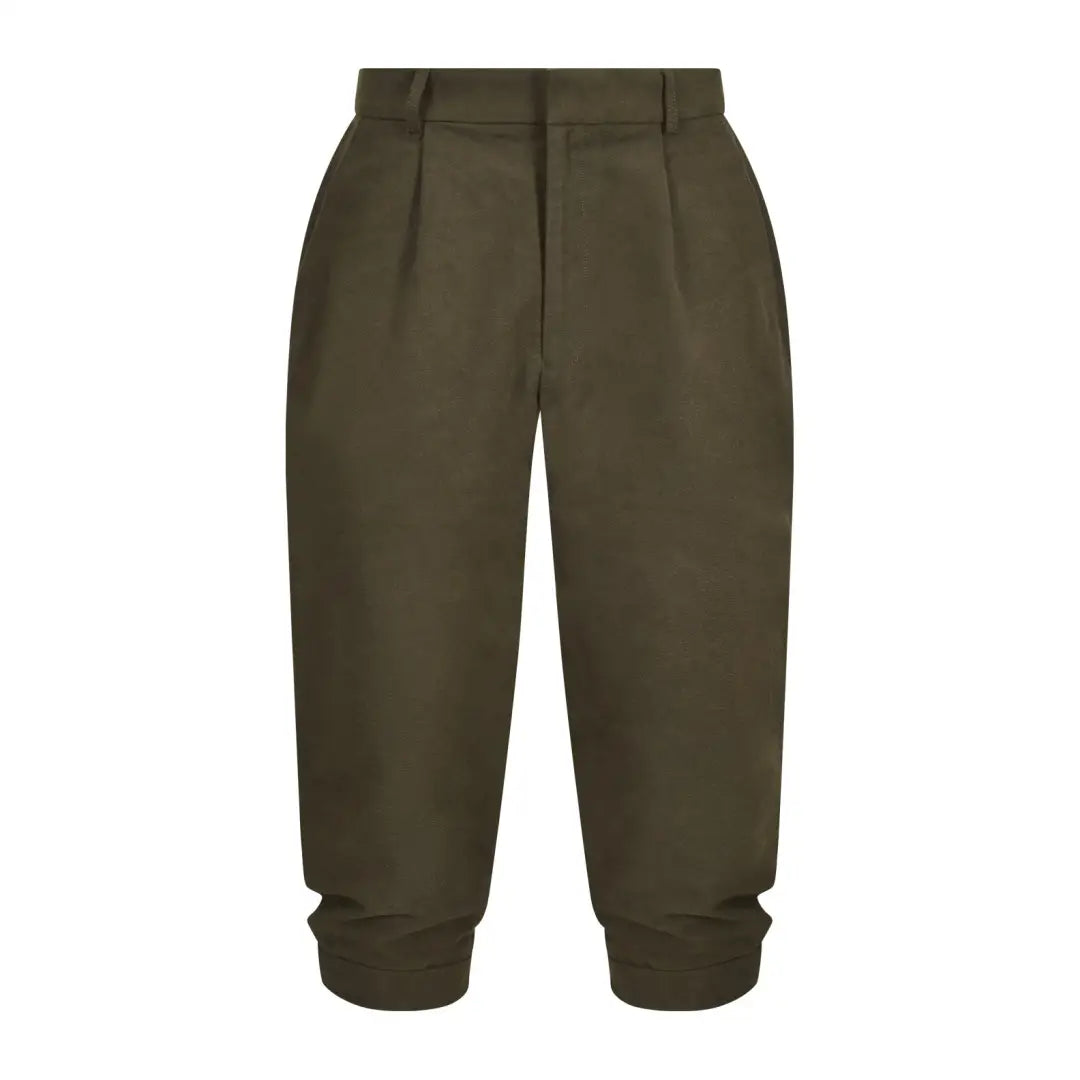
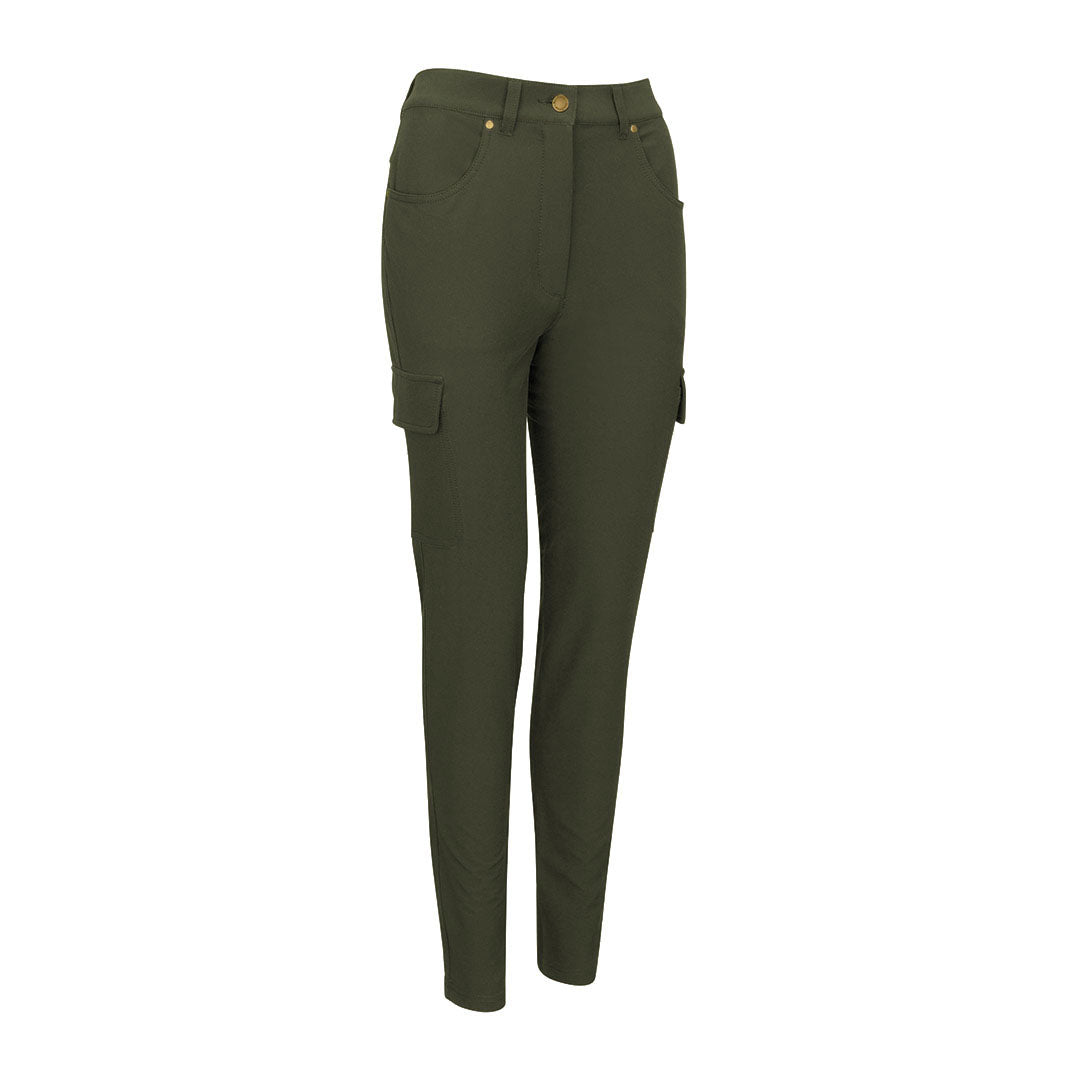
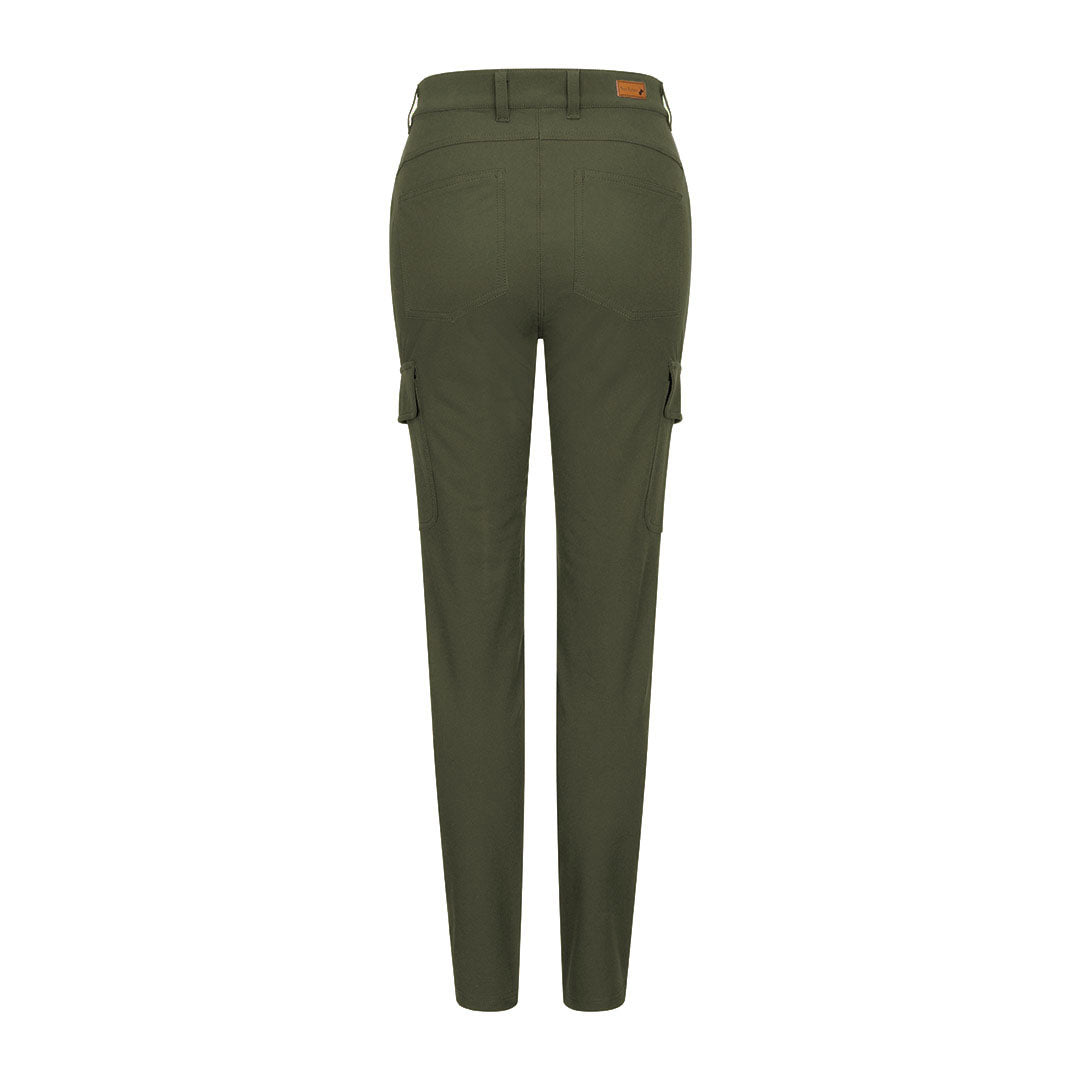
- Trousers
- Fleeces and gilets
- Plus much more
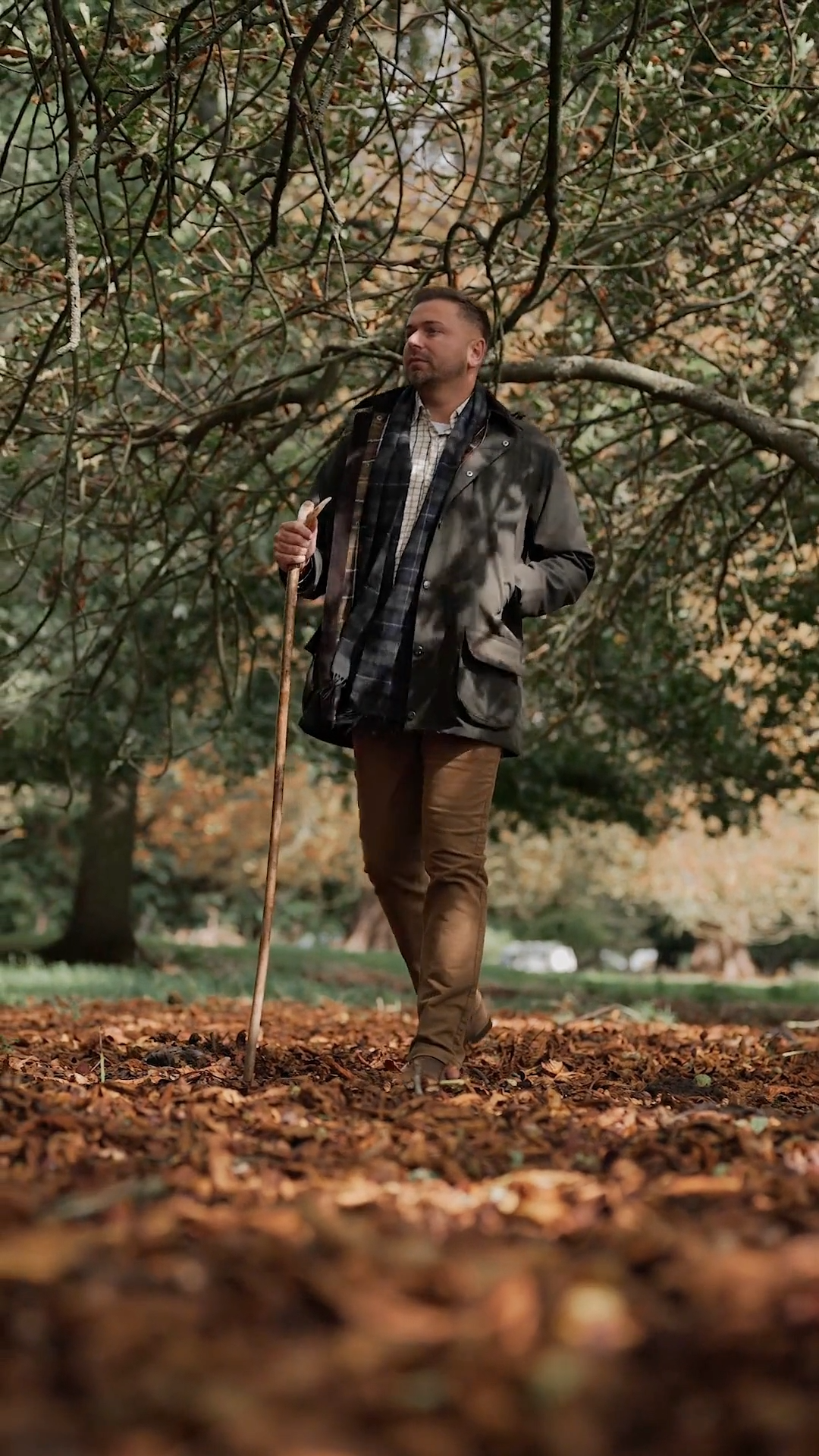
You could pair a Tattersall shirt with a fleece and waterproof coat, build a complete outfit for outdoor work, or choose three everyday essentials in whichever combination works best for you.
The offer applies to qualifying products and is available for a limited time while stocks last.
Build an autumn system that works for you
There is no single perfect outfit for every autumn day. The right combination depends on the weather, your activity and how warm you naturally feel.
Start with breathable, comfortable foundations. Add warmth through a removable fleece or gilet, then keep a dependable waterproof layer ready for changing conditions.
By treating your clothing as a flexible system, you can remain comfortable through chilly mornings, active afternoons and sudden spells of rain—without spending the entire day feeling too hot or too cold.
Pick any three qualifying New Forest products and get 30% off the RRP during our Layer Up for Autumn event.
Order today while stocks last.
Shop 3 for 30% off at newforestclothing.co.uk/3-for-30

Share:
What to Wear for the Start of the Shooting Season